
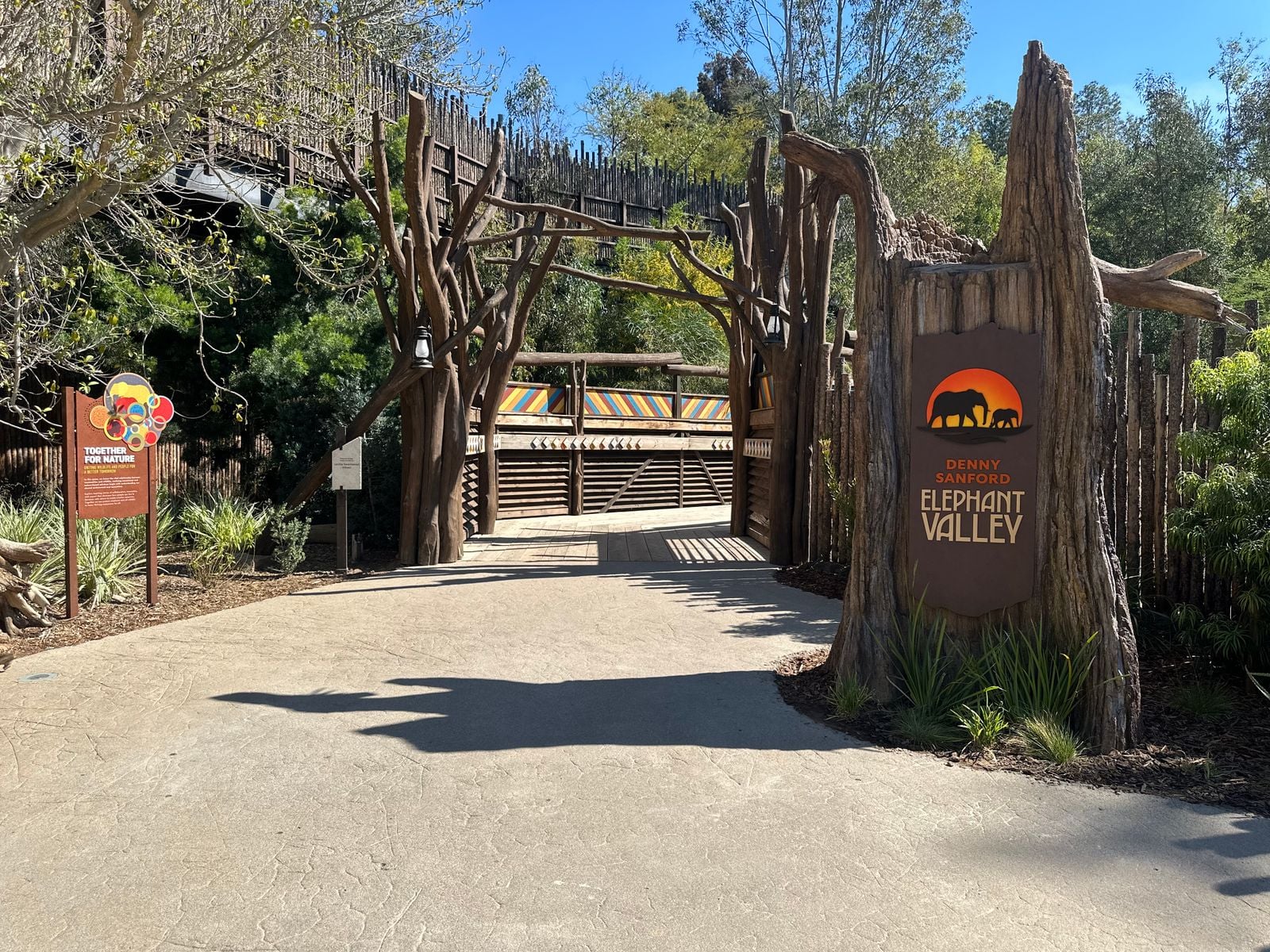

On 23 April 2005, at 8:27 pm Pacific time, a 19-second clip called “Me at the zoo” was uploaded to a domain registered just over two months earlier. In it, a 25-year-old computer science graduate named Jawed Karim stands in front of the elephant enclosure at the San Diego Zoo and observes, with visible awkwardness, that the animals have “really, really, really long trunks”. The clip has no edit, no music, and no point. It is still there. As of late 2024 it had been watched more than 300 million times.
What the clip does not advertise is what the site was actually meant to be. YouTube, in the spring of 2005, was a dating service.
A dating site called “Tune In Hook Up”
The three founders — Karim, Chad Hurley and Steve Chen, all former PayPal employees — registered the youtube.com domain on 14 February 2005, a Valentine’s Day flourish that fits the original plan.
In his 2007 commencement address at his alma mater, the University of Illinois at Urbana-Champaign, Karim described the initial concept plainly: a video-based dating site called “Tune In Hook Up”, where people would upload short videos of themselves describing an ideal partner. Users would rate the videos and, in theory, meet.
Nobody uploaded anything.
Karim has told the story several times, and Chen and Hurley have given consistent accounts to TIME and other outlets: the founders offered women on Craigslist $20 to post dating videos and got no takers. Days passed with an empty site. To have something on the page at all, Karim filmed the elephant clip on a friend’s camcorder and uploaded it as a placeholder.
By the time the site opened publicly in mid-2005, the dating pretence was gone. What users were actually doing — uploading whatever short video they had, from wedding clips to skate footage to pirated television — was more interesting than what the founders had planned for them.
Why the pivot worked when others had failed
Video on the web was not new in 2005. RealPlayer had been streaming clips since the late 1990s; Vimeo launched in November 2004, five months before YouTube’s domain was even registered; Google Video was already in beta. What YouTube got right was a stack of small, specific engineering choices that lowered the friction of putting a moving image on a webpage.
Uploads were transcoded on the server to Adobe’s Flash Video (FLV) format, which meant the viewer needed only the Flash Player plug-in — installed on an estimated 95 per cent of internet-connected desktops by 2005, according to Adobe’s own penetration surveys from the period. No codec pack, no separate download, no QuickTime-versus-Windows-Media argument. The video simply played inside the browser.
The second choice mattered more in the long run: an embed code. Anyone could paste a short snippet of HTML into a MySpace profile or a blog and the video would appear there, hosted on YouTube’s servers, counted in YouTube’s view totals. The site spread by parasitism. Every MySpace page carrying a YouTube embed was, in effect, free marketing.
The third was scale, and it very nearly broke the company. By July 2006, YouTube was serving roughly 100 million video views per day, according to figures the company gave USA Today, and users were uploading around 65,000 new clips each day. Bandwidth costs, reported at the time to be running into the millions of dollars a month, were the reason a sale started to look inevitable.
The Google acquisition and the copyright reckoning
Google announced its acquisition of YouTube on 9 October 2006, at $1.65 billion in stock. The figure looked eye-watering for a 20-month-old company with 67 employees and no clear path to profit, and the deal was widely reported as an overpay. In hindsight it is one of the cheaper large acquisitions in the history of the consumer internet.
The purchase came with a legal liability the founders had been managing carefully: a significant share of the most-watched videos on the site were uploaded without the rights-holder’s permission. In March 2007, Viacom filed a $1 billion copyright suit against YouTube and Google, alleging roughly 160,000 unauthorised clips had been viewed more than 1.5 billion times. The case turned on the safe-harbour provisions of the Digital Millennium Copyright Act — specifically, whether YouTube qualified for protection as a passive host that removed infringing material once notified.
A district court ruled in YouTube’s favour in 2010; the Second Circuit sent parts of the case back for further consideration in 2012; the two companies finally settled in 2014 without money changing hands. In the meantime, YouTube had built Content ID, an automated fingerprinting system that scans uploads against a database of reference files supplied by rights-holders. Google reported in 2018 that more than $3 billion had been paid to rights-holders through Content ID, most of it from advertising on user uploads that matched a claim rather than takedowns.
What the record shows about the elephant clip
The neat version of the origin story — dating site fails, Karim films elephants, YouTube is born — is largely true, but it flattens the timeline. The dating concept was live only in the earliest weeks of 2005. By the time “Me at the zoo” went up on 23 April, Karim, Chen and Hurley had already begun steering the site toward general-purpose video sharing. The elephant clip is not a moment of pivot so much as a moment of shrug — a founder testing the upload pipeline on a site with almost no users.
Karim himself has said as much. In interviews he has consistently framed the clip as a technical test rather than a manifesto, and he stepped back from day-to-day involvement soon afterwards to enrol in a computer science master’s at Stanford. He kept his equity. When Google bought YouTube, his stake was reported at the time to be worth around $64 million.
The dating-site chapter is documented in Karim’s own 2007 commencement address at Illinois and in later interviews with the founders, but no screenshots of “Tune In Hook Up” appear to have survived in public archives. The Internet Archive’s earliest crawl of youtube.com, from 28 April 2005, already shows the site as general-purpose video sharing, five days after the elephant clip went up.
What survived into the present
YouTube today is a different piece of infrastructure from the Flash-based clip site of 2005. Video is delivered over HTTPS in adaptive H.264 or VP9 streams, chunked and cached at the edge of Google’s network, with the same kind of undersea-cable and DNS plumbing that carries nearly all intercontinental internet traffic. Flash Player itself was retired at the end of 2020. The embed code, in updated form, still works.
So does “Me at the zoo”. Karim has never taken it down, and every so often he uses the video’s description field to post a short political comment — most notably in 2021, when he objected to YouTube’s decision to hide public dislike counts. The elephants, the shaky handheld framing, the observation about trunks: all of it is still there, at the same URL, on a platform that now serves more than a billion hours of video every day, according to figures the company began publishing in 2017.
The dating site never had a second video.