
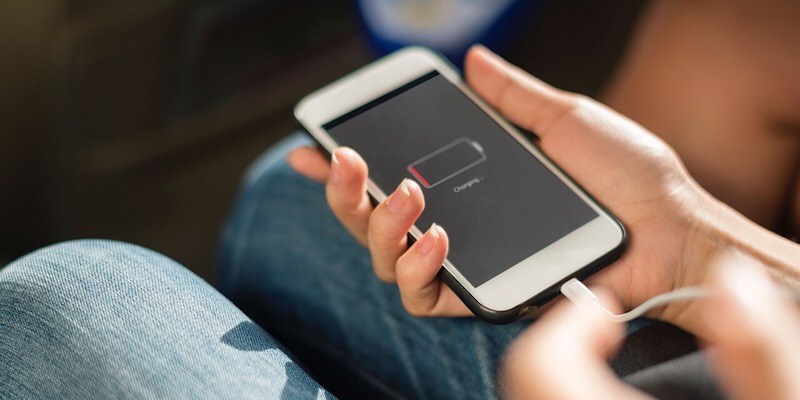

Imagine not having to worry about charging your smartphone for an entire month. And that doesn’t mean you’re shutting it off for hours at a time or otherwise rarely using it. We’re talking about regular use with your phone. Sounds like a dream, doesn’t it?
Lowell McAdam, the Verizon CEO, thinks it could happen along with 5G. That’s two things right there that sound really great: 5G and a smartphone battery with a month-long battery life. Having just those two things makes it easy to imagine a life free of technical irritations.
McAdam’s Bold Statement
During a speech at IBM’s Think 2018 conference this week, McAdam talked quite a bit about where his company was currently and where he thought they’d be with 5G technology.
He noted how well they were doing in 2000 when they started the company until the day the iPhone was announced, and there was a push to become “just a communications company.” Trying to monetize “above the network layer” is an “ongoing, day-to-day struggle” for them.
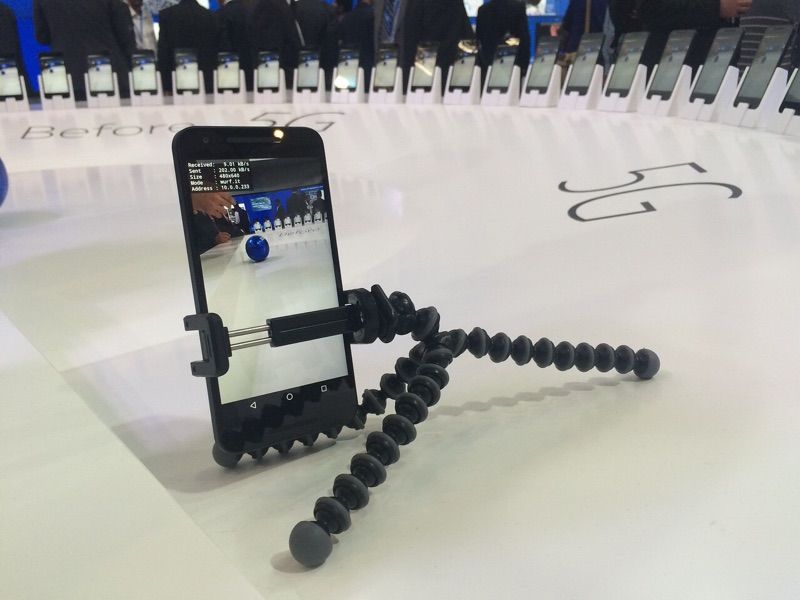
He then mentioned, “We declared 5G in 2015, and we won’t launch commercially — only in a small way later this year — and in a big way next year.” Additionally, he notes that staying on the leading edge is important.
But the words about 5G that McAdam said that are being widely reported are where he said that 5G technology could lead to smartphone batteries lasting up to a month long. He believes the technology will “usher in a fourth industrial revolution.”
For examples of the power of 5G, he noted that a handset today does about 10 MB of throughput, but you can expect to get 1 GB in the future. Yet in their field trials Verizon has been doing 25 GB of throughput through wireless. He noted that 5G will allow the wireless companies to attach 1,000 more devices to each cell site than what is currently possible today.
And more than just powering devices, he’s looking at smart cities and intelligent lighting. “We’ll be able to save cities 70 percent of their energy usage because cameras and facial recognition — and object recognition — will turn the lights up and down when needed.”
The Future of 5G
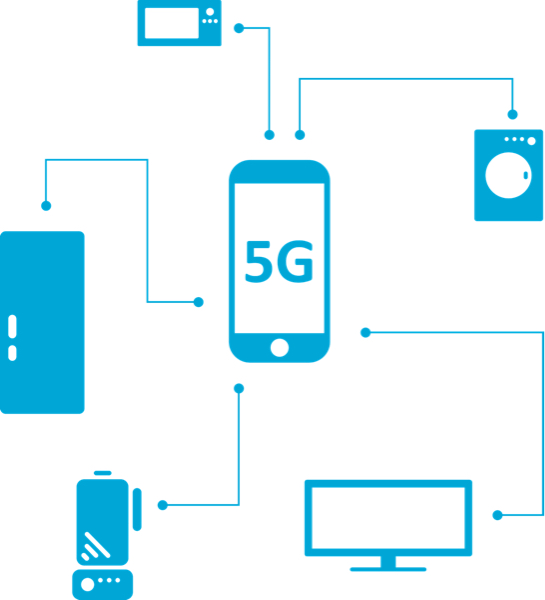
McAdam is declaring that 5G will launch in a big way next year at least for Verizon, but he also said they were launching in a small way this year, and AT&T is vowing to launch 5G this year as well. So one could assume all wireless companies will be employing the technology soon.
At the outset it means the obvious, that we’ll have faster connections to social media, will be able to stream media much more smoothly, and upload videos to YouTube at blazing speed. It will put those days of watching AOL connect via the handshake on dial-up to shame.
But it’s interesting to think of how it could also alter smartphone batteries. Could it really lead to batteries lasting up to a month long?
Before we get too ahead of ourselves, though, we need to realize that for us to be able to utilize the 5G technology we’ll need devices that can run it. And currently there are no smartphones that can handle 5G, meaning we won’t be getting that speed nor the month-long battery as quickly as we’d like.