

The days of the static website, assuming people are browsing on only a small handful of screen resolutions, are gone. Sure, there are still many many people browsing the internet on desktops and laptops but now there are also many different other sizes to contend with. The mobile boom has really changed things. They’re saying that mobiles on the internet are surpassing desktops and that’s a real possibility.
Website developers have the fun job of making sure websites work well on both desktop resolutions and mobile sized screens. There are ways to make this happen. The ultimate goal is a smooth and flawless user experience. Any kind of negative experience can turn a user away, possibly for good. Let’s look at four possible solutions website administrators are currently making use of.
WordPress plugin
Since the number of websites running on WordPress, regardless if they are labeled as blogs, is huge and growing, the first solution happens to be a WordPress plugin. Actually there are several plugins to choose from. Several years ago we featured an article on MobilePress. There is another very popular plugin called WPtouch Pro.
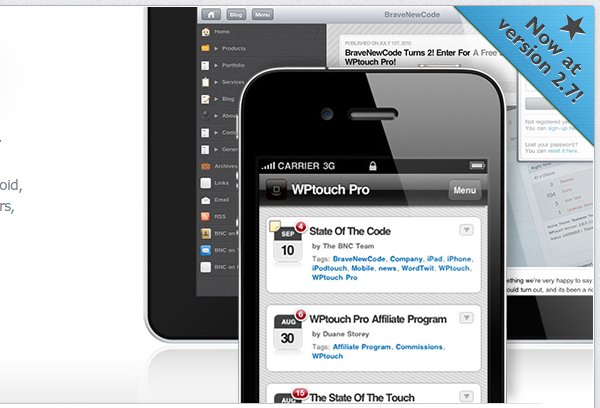
If you find the right WordPress plugin, it will automatically redirect our mobile friends to a good looking mobile version of your site. Many of them offer some customization options so you can make sure the mobile site reflects what the full-sized site looks like.
Flexible design
Many website designers decide to make one design instead of two. They can make the site flexible enough to look good at almost any resolution. For instance, take a look at this site (maketecheasier.com). Try it! Resize the browser window and see the changes that take place as the window shrinks. The design looks good all the way down to the size of a mobile phone’s browser.

This type of design can be tricky and hiring a good designer to make it look and work nice might be the best route to take.
Mobile app
Did you know that you can also make your website or blog into a mobile app? You can even have them listed on iTunes and the Google Play Store. This can be a good way to not only make your site mobile friendly but get the word out at the same time.
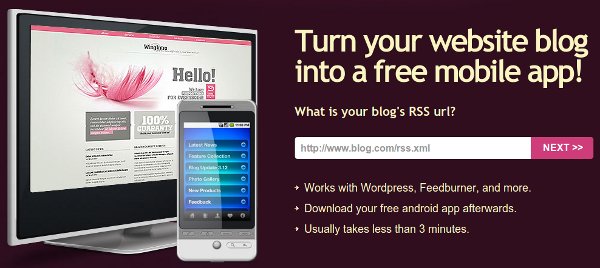
There are several choices when it comes to websites that offer the service for free.
Custom design
The last and final option is to hire someone to design a mobile version of your website from scratch. They can do anything from taking your design and shrinking it, setting up your site to redirect mobile browser users to the new site, all the way down to rewording the copy to fit better on a smaller screen.
Obviously this can be the most expensive of the options but with a design team on your side, you’ve got personalized service and someone to turn to when it doesn’t work right.
Conclusion
The answer to the mobile-friendly website conundrum really depends on your situation. In the article we discussed four very different solutions and each one may work really well for different circumstances. Which one works for you? Oh, and what other solutions can you think of?