June 2026
Every article published in June 2026. 60 articles · Back to full archive

News

Tech Explained
Masahiro Hara and Denso engineers built the QR code in 1994 to help Toyota suppliers scan car parts from any angle, then kept the patent open until phone cameras and a 2020 pandemic turned the factory square into a daily ritual on restaurant tables

Tech Explained
In 1965, Mary Allen Wilkes wrote LAP6 for the LINC computer from her parents' Baltimore home, testing an interactive operating system on a 250-pound machine in the living room and becoming the first known person to use a personal computer at home, twelve years before the Apple II reached buyers

Tech Explained
When Grace Hopper wanted to explain a nanosecond to admirals who kept asking why satellites were slow, she handed each of them a piece of wire 11.8 inches long, the exact distance light travels in a billionth of a second, and told them to keep it in their pocket as a reminder that physics, not laziness, sets the limit.

News
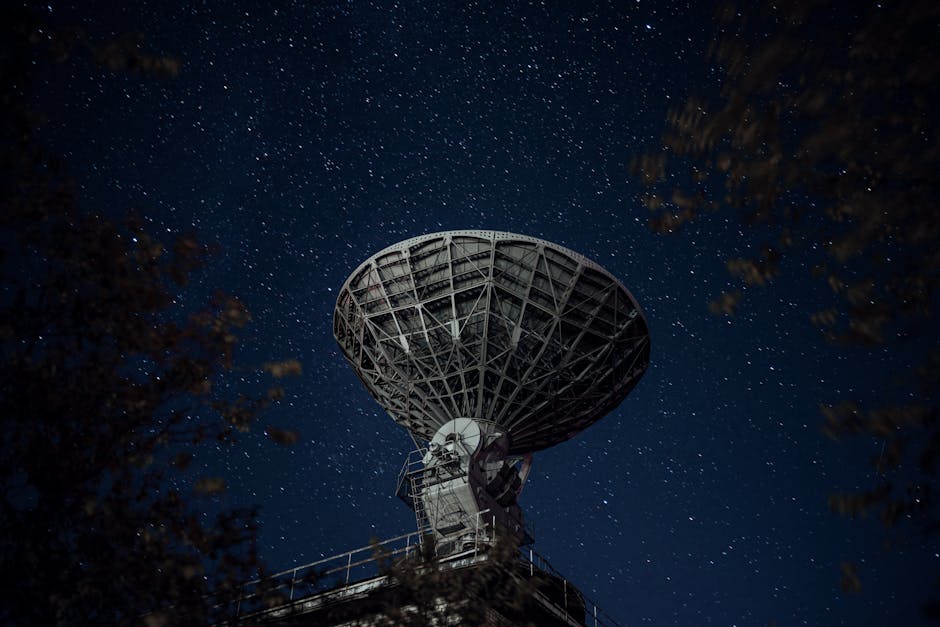
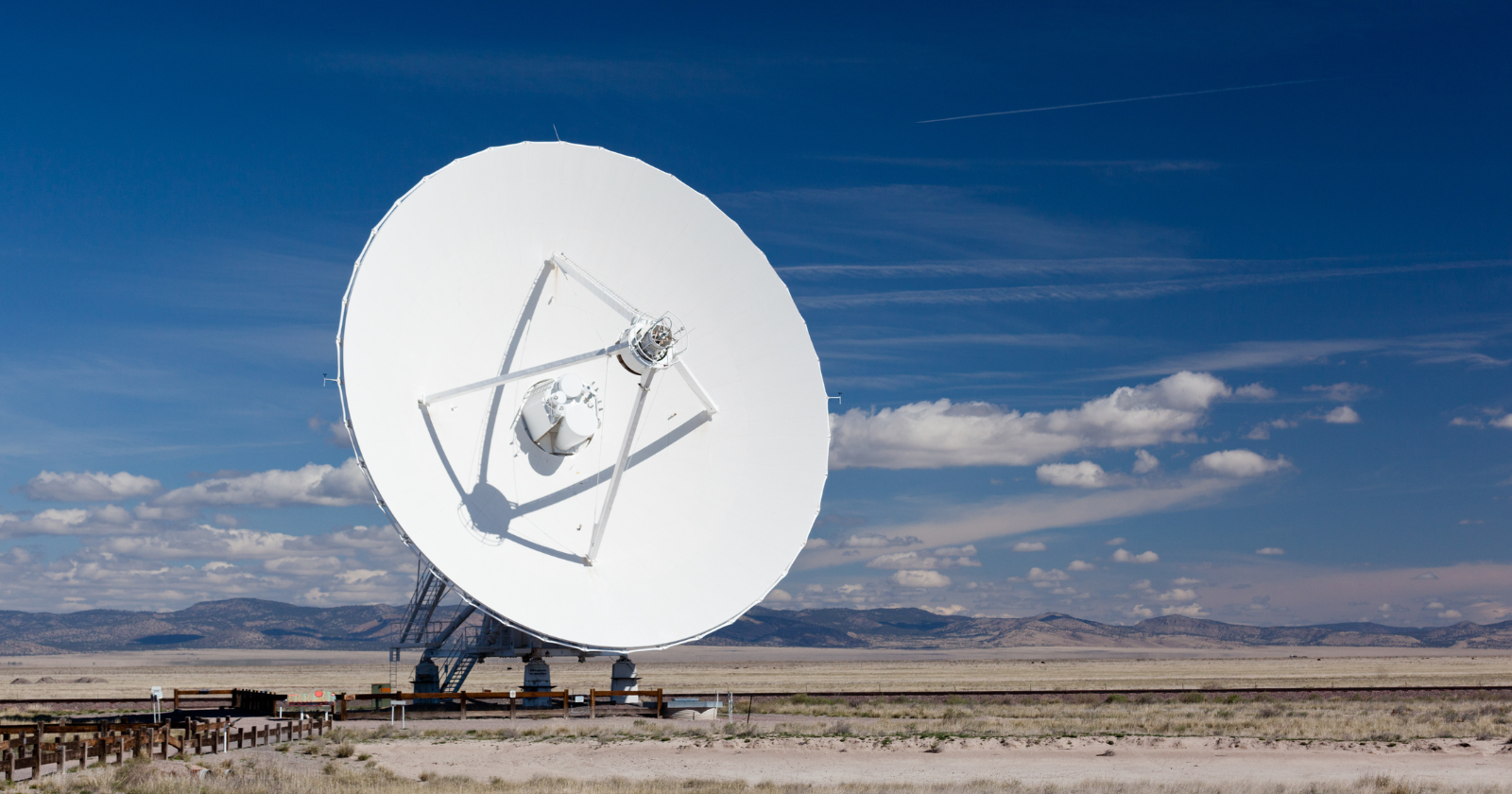
The Big Ear telescope was scanning at 1420.4056 megahertz on the night of 15 August 1977, the exact frequency at which hydrogen atoms vibrate across the universe, because Giuseppe Cocconi and Philip Morrison had argued years earlier that any species trying to be found would broadcast on that channel — and then, for 72 seconds, something did.

Tech Explained
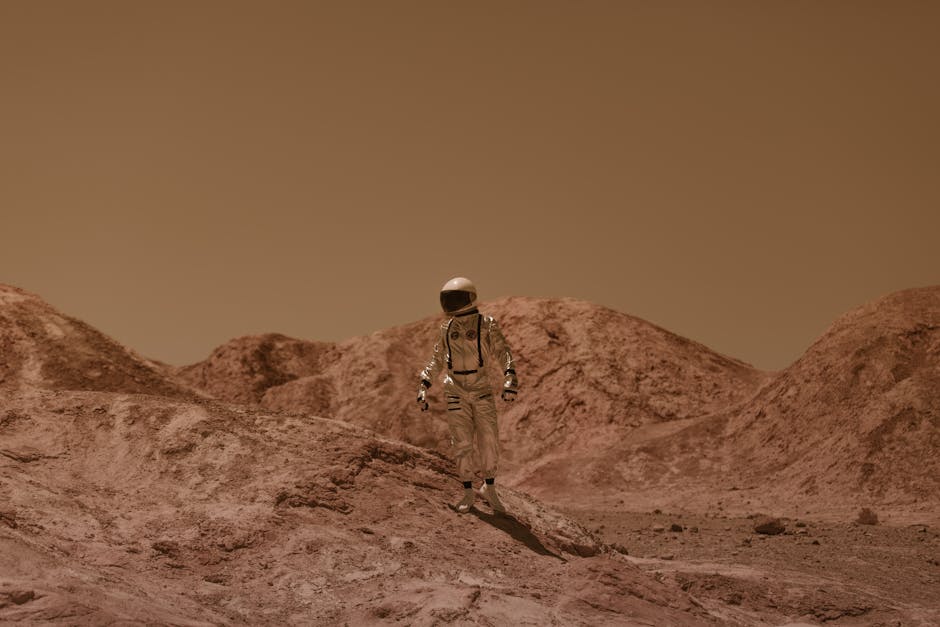
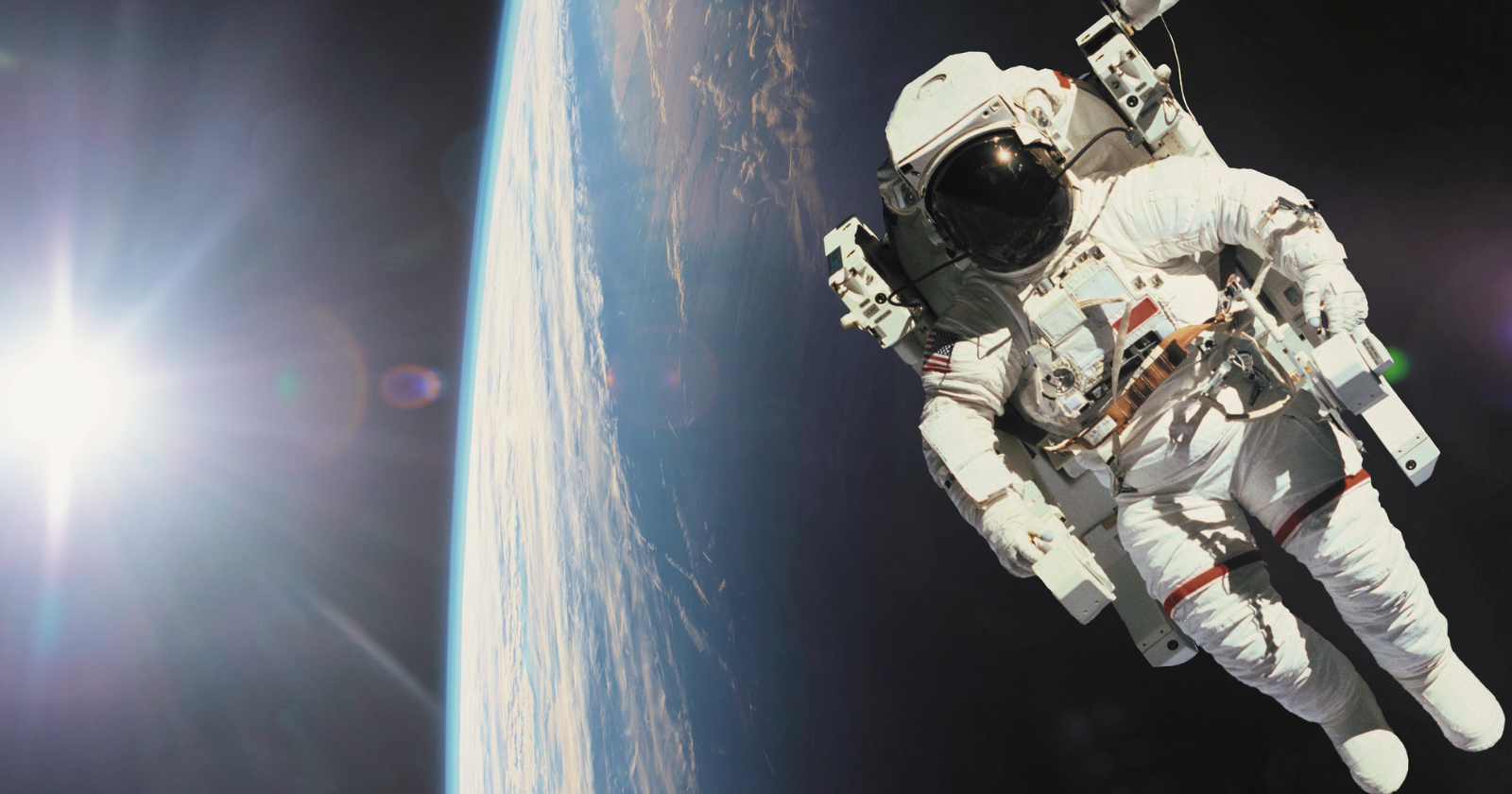
When Doug Wheelock came home after 163 days in space, he said he had craved the aroma of leaves, grass, flowers, and trees, the rush of Earthiness that reaches astronauts only when the hatch opens back onto the living planet

Tech Explained
When Frank Maixner’s team reconstructed Ötzi the Iceman’s 5,300-year-old stomach bacterium in 2016, the Helicobacter pylori strain looked less like modern Europe’s hybrid form than Asian lineages common today in South and Central Asia, leaving a migration signal no pot or stone tool could have shown

Mobile
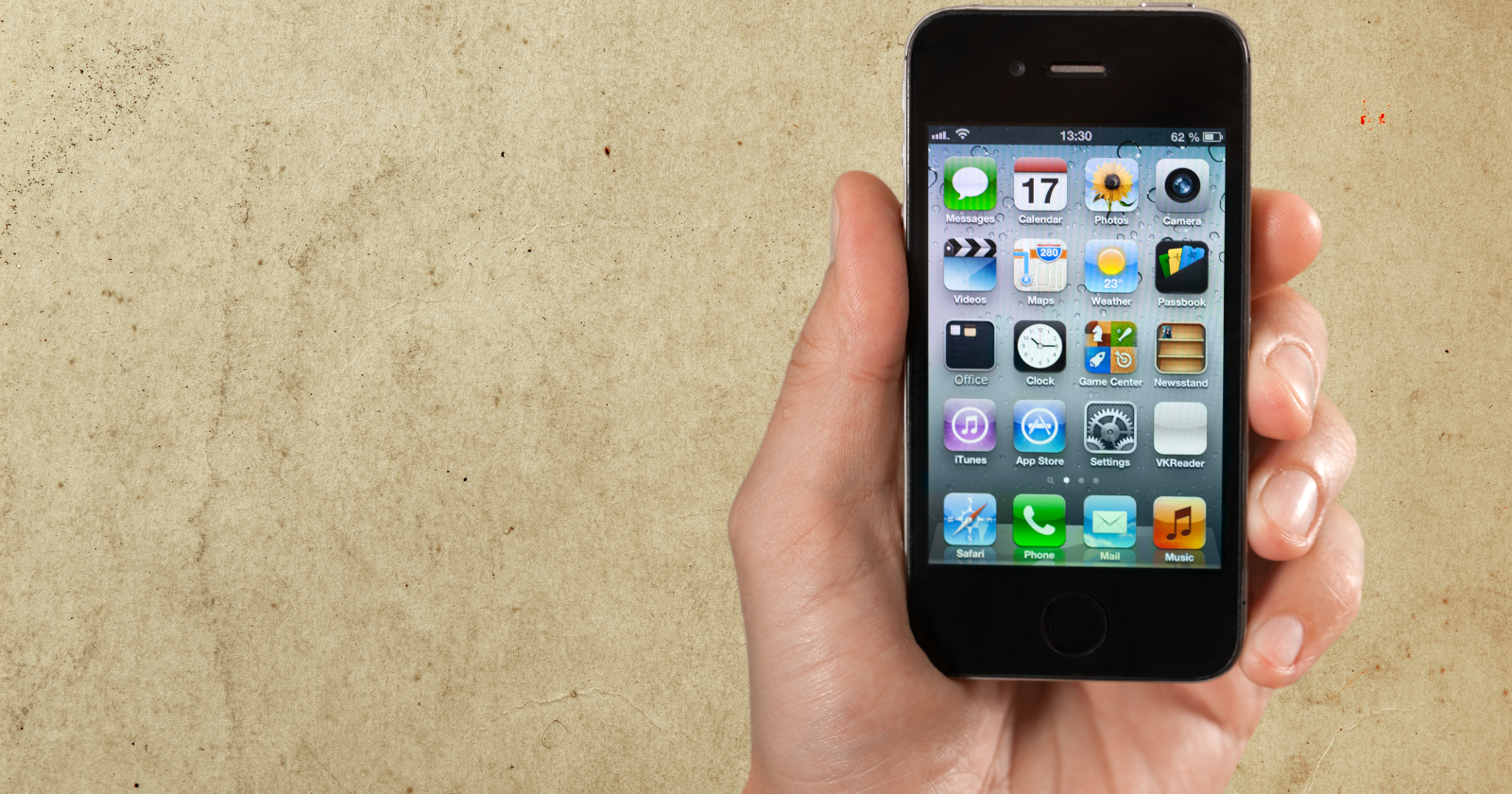
When Cingular chief Stan Sigman backed the original iPhone before its 2007 unveiling, he accepted terms American carriers usually refused: no logo on the device, no control over its software, no preloaded apps, and a share of monthly subscriber revenue flowing back to Apple, after signing on without seeing a prototype

Tech Explained
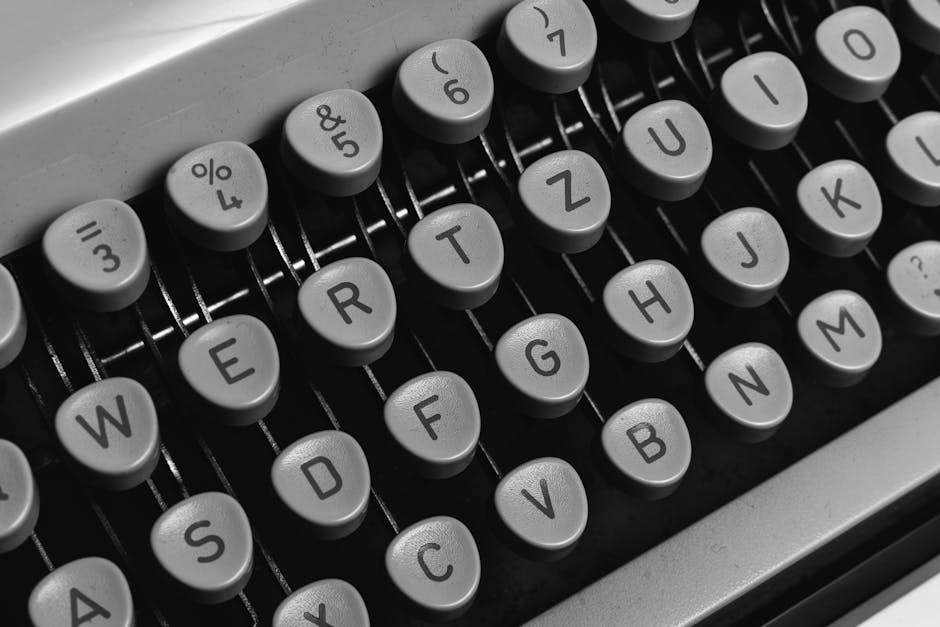
Every year, roughly two billion new smartphones, laptops, and tablets ship with a key arrangement designed in the 1870s to prevent slender metal arms from colliding inside a machine that has been obsolete for decades, a piece of 19th-century mechanical engineering quietly embedded in the muscle memory of about five billion people.

Tech Explained
Tristan Harris, Google's former design ethicist, told the US Senate that the pull-to-refresh gesture on nearly every app works like the lever of a Las Vegas slot machine, and he has long warned that we now reach for our phones around 150 times a day without ever calling it gambling

Tech Explained
In 1969, László Bélády and two IBM colleagues published a paging-machine anomaly showing FIFO could make four memory frames suffer ten page faults after three frames suffered nine, leaving generations of operating-systems students staring at the moment more memory became the wrong answer

News
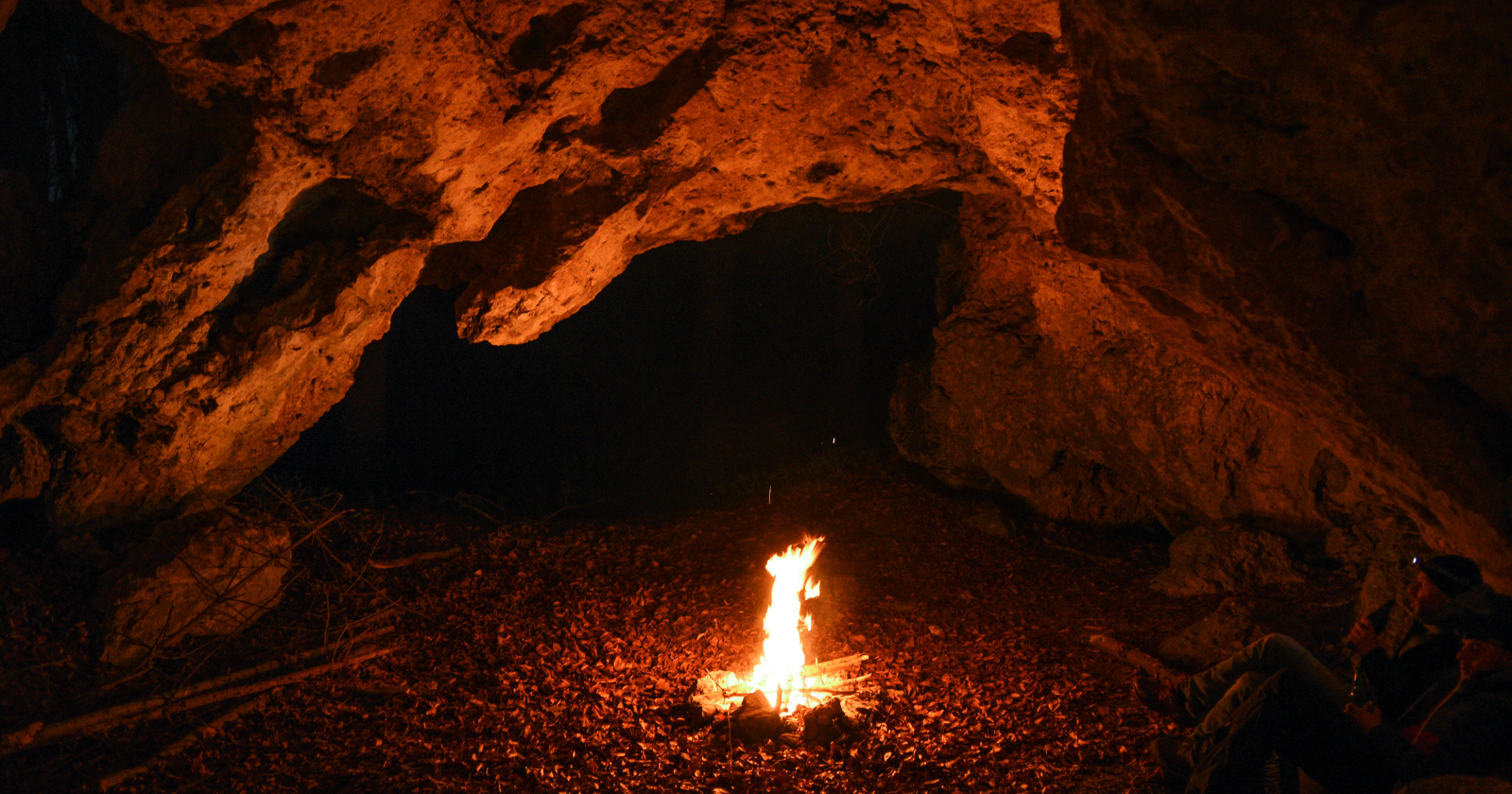
In 2016, archaeologists dated two rings of snapped stalagmites in France’s Bruniquel Cave to 176,500 years ago, evidence that Neanderthals had walked 336 metres into darkness with fire and built architecture deep underground long before modern humans reached Europe

News
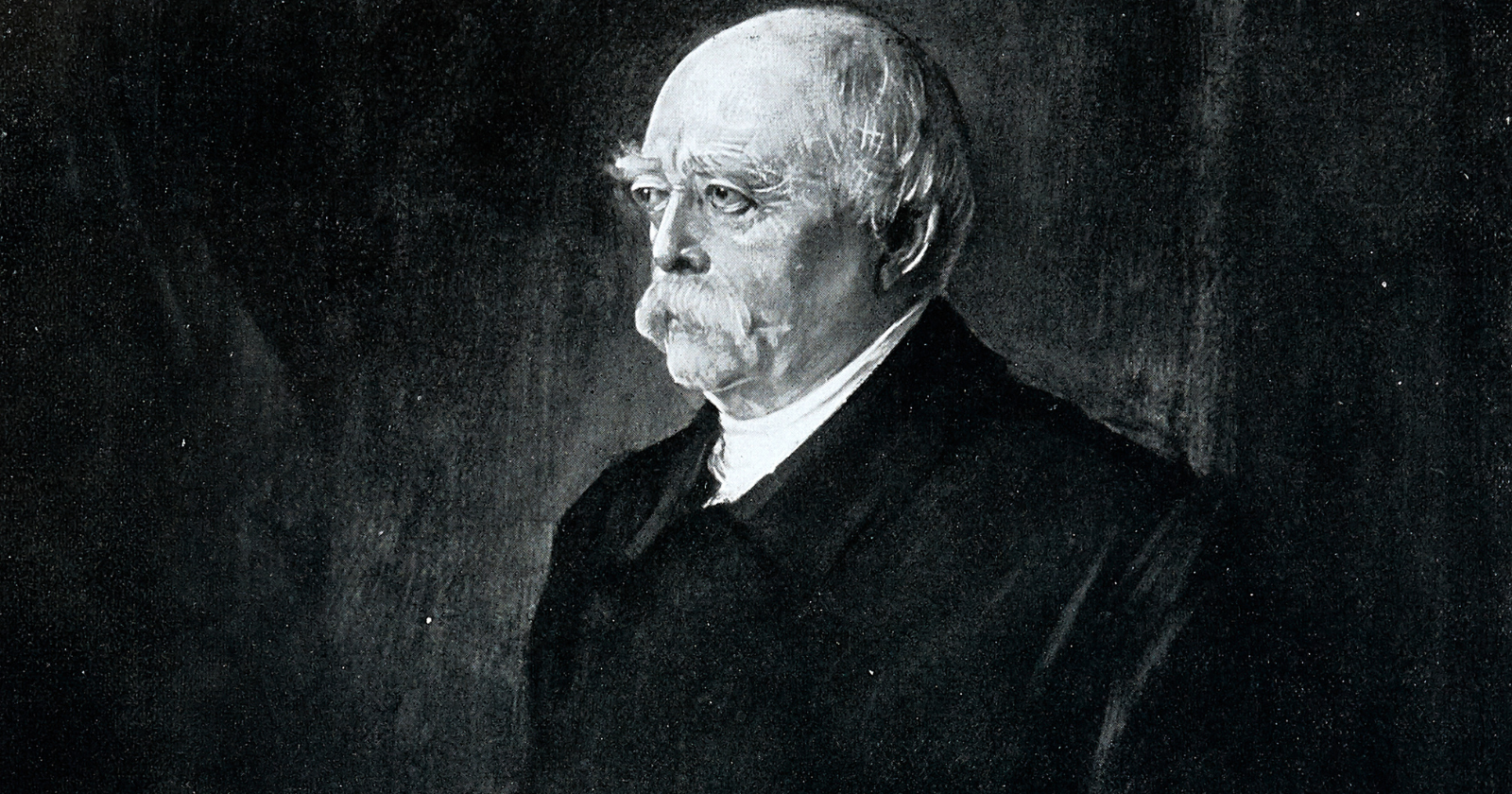
Otto von Bismarck was 74 when Germany adopted the world’s first national old-age social insurance program in 1889, setting the pension age at 70 after years of fighting socialists with bans, laws, and a promise few workers would live long enough to use

News
When cosmonaut Valeri Polyakov stepped out of his Soyuz capsule in March 1995 after 437 consecutive days aboard Mir, doctors recorded him at several centimetres above his pre-flight height, and his spine had become so unaccustomed to gravity that the recovery team carried him to a chair rather than risk the compression of letting him walk.

News
When Bell Labs engineer Karl Jansky pointed a rotating antenna at the sky in 1932 looking for sources of transatlantic radio static, he kept picking up a faint hiss that peaked every 23 hours and 56 minutes, and he eventually realized he had become the first human to hear the center of the Milky Way.

Tech Explained
The colour magenta does not exist anywhere in the spectrum of visible light, and your brain manufactures it on the spot whenever red and blue cones fire together, inventing a hue to fill a gap that physics never bothered to provide.

News
When Harvard astronomer Cecilia Payne submitted her 1925 doctoral thesis arguing that the Sun was made almost entirely of hydrogen, the field's senior figure Henry Norris Russell talked her into adding a line calling the result 'almost certainly not real,' and then published the same conclusion himself four years later to widespread acclaim.

Lifestyle
When Edme Mariotte stared at marks on a wall in the 1660s, one mark vanished inside a six-degree hole where the optic nerve leaves the eye and the brain has been filling in wallpaper, sky, and faces ever since

News
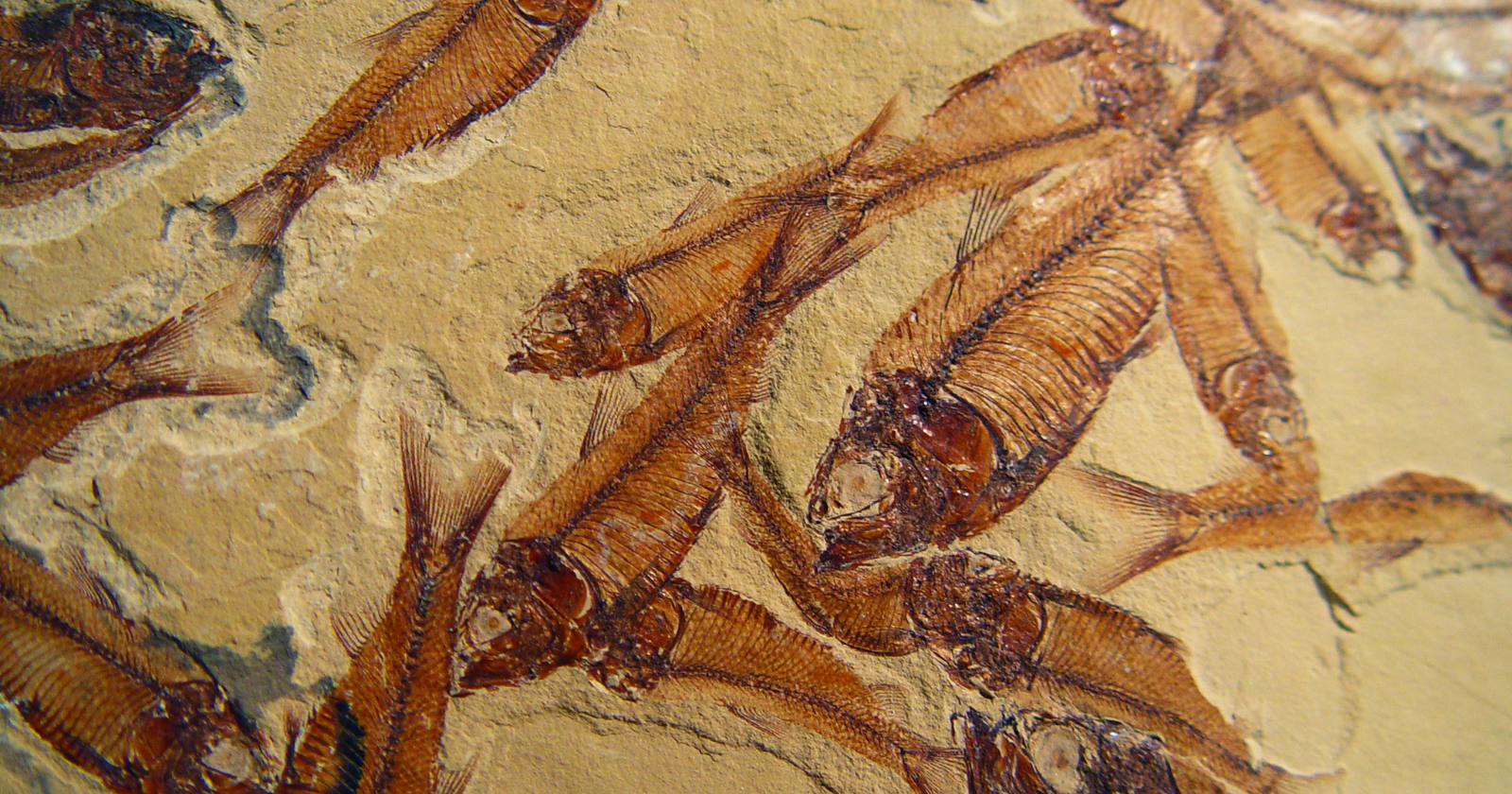
When seismic waves from the Chicxulub impact reached what is now North Dakota roughly ten minutes after the asteroid struck, they appear to have triggered a ten-metre standing wave in an inland river that flung fish onto the bank and buried them under glass beads still falling from the sky.

Tech Explained