Docker runs apps in fast containers while virtual machine provide complete OS isolation. Learn which solution suits your project best.
By Anees Asghar – Oct 14, 2025
Sandbox application options for Windows allow you to test programs in a contained environment. This guide includes the best Sandbox apps.
By Alexandra Arici – Dec 28, 2023
Ready to unleash the power and versatility of Linux on your Mac? In this guide, we explore several ways that you can run Linux on a Mac.
By David Morelo – Jun 29, 2023
The best way to access Windows from your Linux desktop is to create a virtual machine. Learn how to install Windows in VirtualBox on Linux.
By Ramces Red – Mar 7, 2023
Enjoy Apple’s operating system on your Windows or Linux PC.
By Ojash Yadav – May 20, 2022
Find out if you need a new PC to run Windows 11.
By Sayak Boral – Mar 18, 2022
Vagrant provide an easy way to create, configure and reproduce virtual machines with a known state. Here’s how to use Vagrant on Linux
By John Perkins – Oct 12, 2020
Linux provides a good platform for building a virtualization workstation for your own use. Here is how to create a Linux virtualization workstation from scratch
By John Perkins – Jul 13, 2020
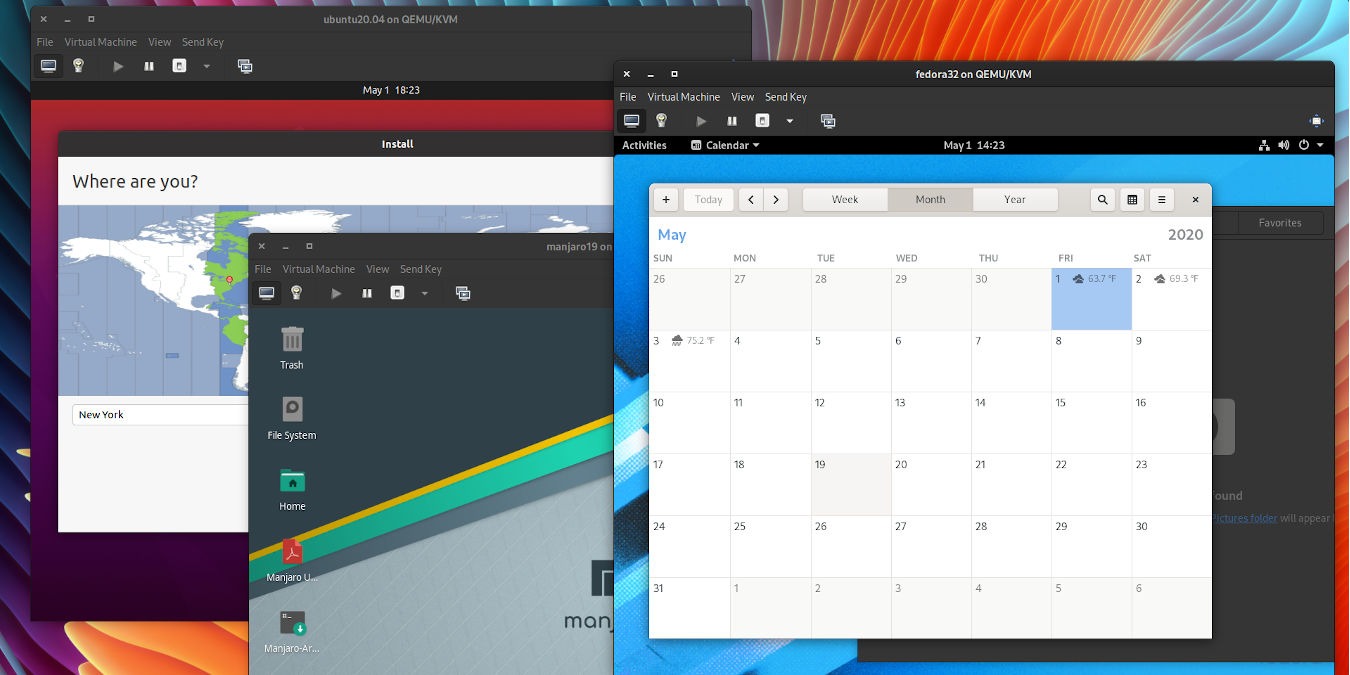
Virtual Machine Manager is one of the best hypervisors available for the Linux desktop. It takes virtualization on your Linux desktop to the next level.
By John Perkins – May 4, 2020
You don’t need extra software to run Ubuntu in Windows 10. Here we show you how you can install Ubuntu in Windows using the built-in Hyper-V feature.
By Matthew Muller – Feb 13, 2019
You have heard of virtualization everywhere, but what does it really mean? Find out here.
By Alexander Fox – Aug 29, 2018
Virtualization allows you to test your software in a secure environment. These are our favorite free virtualization software for Windows 10.
By Mike Tee – Aug 24, 2018
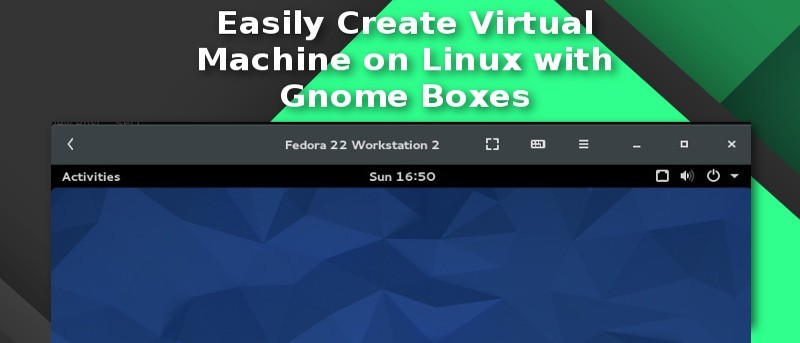
Gnome Boxes helps to make virtualization easier. Does it have what it takes to beat out virtual machine programs like Virtualbox or VMware? Let’s find out.
By Derrik Diener – Jun 19, 2015
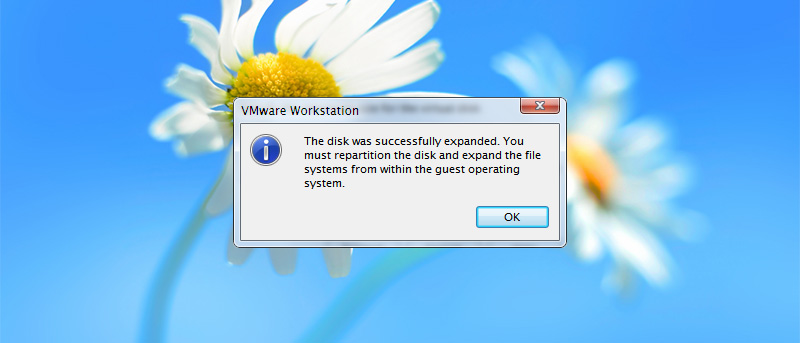
Running out of disk space in your virtual machines? Here is how you can increase disk space of a virtual machine in VMWare.
By Vamsi Krishna – Jan 1, 2015
Windows 8 comes with a client Hyper-V tool for users to run virtual machines in it. Let us see how to enable Client Hyper-V in Windows 8 and run virtual machines.
By Vamsi Krishna – Sep 25, 2014
Affiliate Disclosure: Make Tech Easier may earn commission on products purchased through our links, which supports the work we do for our readers.