






From Noob to Ninja – Your Guide to Mastering Linux

linuxninja-tuxEvery Linux user has been new at some point, and unless you’ve got a history of UNIX administration, the transition was likely a bit daunting. Many people began learning Linux before sites like Google and StackExchange made it easy to find answers, and ended up having to figure everything out in their own. While inconvenient, this approach can force you to challenge yourself and learn things about the system that you might otherwise never find out.

Usually here at MakeTechEasier, we focus on specific topics for our tutorials. This time we’re taking a different approach, and providing a high-level overview of series of steps designed to hone the skills of a Linux beginner, and turn them into the kind of geek who compiles a new kernel for fun.
[Read more...]

Better Linux Package Management with Checkinstall

checkinstall-boxIf you use Linux in any depth, you’re eventually have to install a program from source code. Normally the process is pretty quick and painless, but it still has some drawbacks, especially when it comes to upgrading or uninstalling that program. To help resolve this, we’ve got checkinstall, a useful tool that adds some cleverness to the process by keeping track of file changes and generating binary packages from your tarballs. With checkinstall, you can generate a RPM, deb, or Slackware package that can be ported between systems for easy install and removal.
[Read more...]

How to Install Software from a Tarball in Linux

tarballs-tuxMost of the time, installing software in Linux is a breeze. Package management utilities like Apt, Portage, and Yum have made software installation in Linux even easier than it is in Windows (in my opinion at least). If you know what you want, you simply tell your package manager that you want it, and it’ll find, download, install, and configure your new package for you.

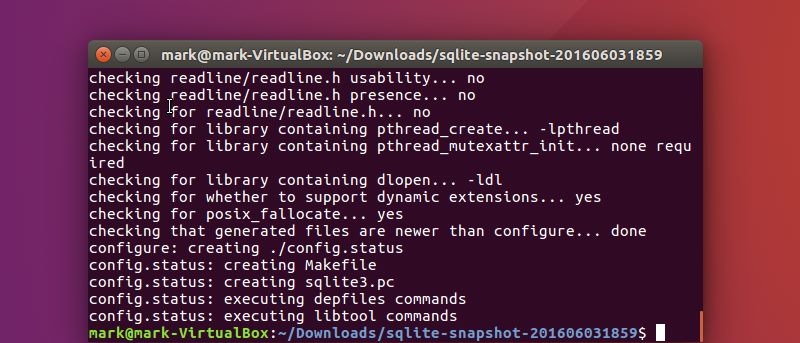
Sometimes, however, the package doesn’t exist in your distribution’s repositories. Often, in cases like that, your only option is to download a tarball (usually .tar.gz, .tar.bz, or .tgz) which contains the source code for the program that you have to compile yourself. While it may be a little intimidating at first, compiling from source is normally a quick and easy process. Today, we’ll learn how. [Read more...]